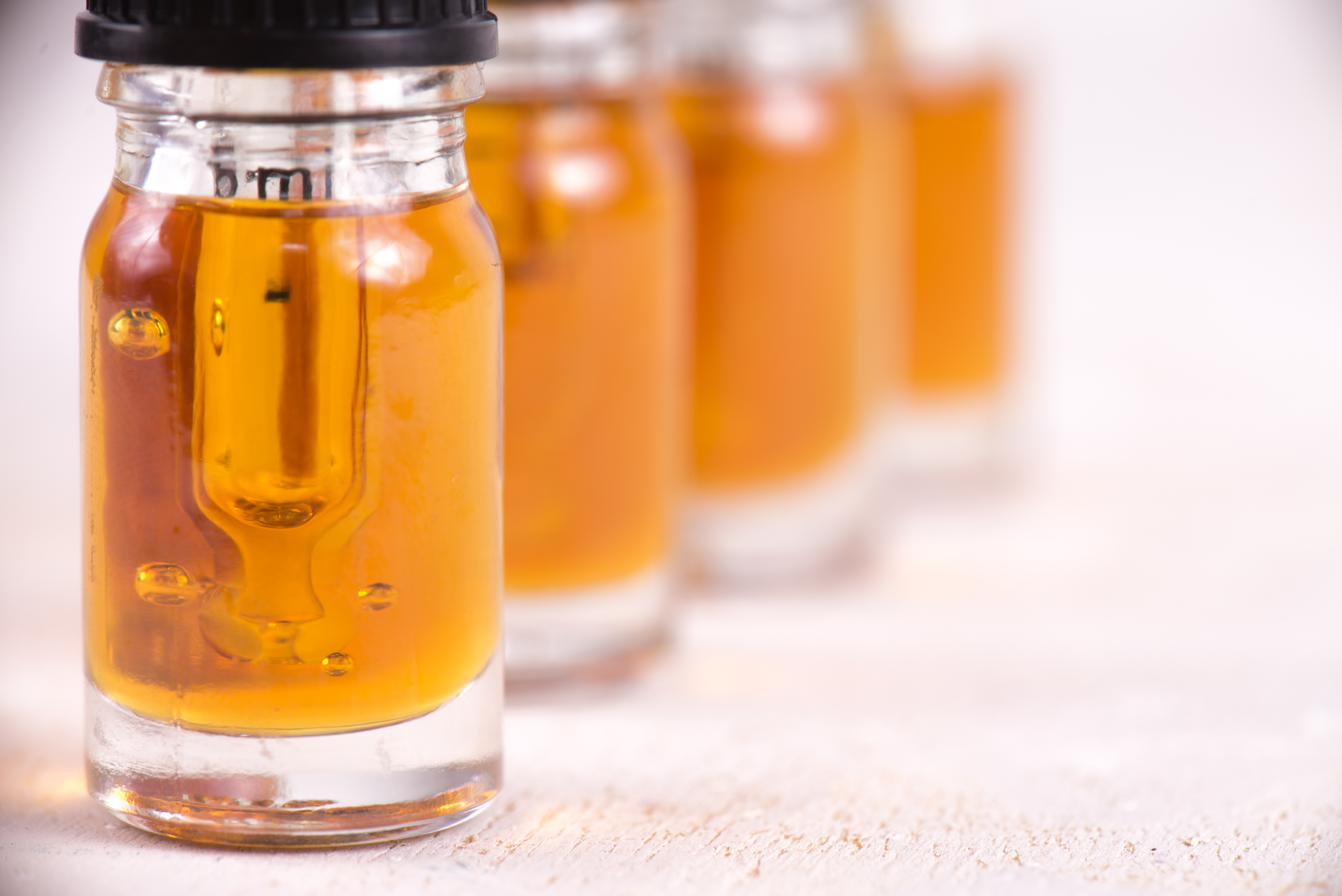
Hair Oil Treatments That Actually Work for Frizz in 2026
If you have spent more than five minutes in a beauty aisle this year, you have seen a wall of bottles promising to end frizz forever. Most of them will not. Frizz is not a hydration problem you can fluff away with marketing copy, and the oil you pick matters less than how it interacts with your hair cuticle, the humidity outside your front door, and where on the strand you actually put it.
What Frizz Actually Is
Frizz is what happens when the outer layer of your hair, the cuticle, lifts away from the shaft. The cuticle is made of overlapping scales, almost like roof tiles. When those tiles lie flat, light bounces off them in a smooth direction and your hair looks shiny. When they lift, light scatters, individual strands swell unevenly, and you get that halo of fuzz and flyaways.
Two things lift the cuticle:
- Damage. Heat tools, bleach, color, sun exposure, hard water, and friction from rough towels or pillowcases physically chip away at the cuticle.
- Humidity. Hair is hygroscopic, meaning it pulls water from the air. When moisture sneaks under a compromised cuticle, the inner hair shaft swells, the scales lift further, and the strand contorts.
Oil Types That Genuinely Help vs Marketing Fluff
Oils With Real Penetration
- Argan oil. A workhorse for a reason. Rich in oleic and linoleic acids and tocopherols, its fatty acid profile lets it slip past surface coatings into the cortex over time.
- Jojoba oil. Technically a liquid wax. Its structure is the closest match in nature to human sebum, which means hair recognizes it and tolerates it well.
- Marula oil. Light, high in oleic acid, very stable against oxidation. Penetrates faster than argan.
- Squalane. The hydrogenated, shelf-stable version of squalene found in human sebum. Tiny molecular size, dry-touch finish, almost zero greasy residue.
- Coconut oil. The most studied of the bunch. It is the rare oil that can actually reduce protein loss during washing. The catch: it solidifies cool, can build up on low-porosity hair, and is too heavy for many fine-haired users.
Oils and Ingredients That Mostly Sit on Top
- Mineral oil and most silicones. They create a glossy seal but do not repair the cuticle.
- Generic plant oil blends without a hero ingredient. Twelve oils in equal proportion usually means there is not enough of any one to do meaningful work.
Quick rule: If an oil is mostly silicone, treat it as a styling product. If it is mostly plant lipids, treat it as a treatment.
Why Molecular Size Matters
An oil can only help repair the cuticle if its molecules are small enough to slip between the scales. Smaller molecules penetrate faster and are better for daily use. Larger molecules are better as pre-wash masks where you give them time to sit, or as finishing oils to seal a style.
Pre-Wash vs Post-Wash Use
- Pre-wash (the oil rinse method). Apply a penetrating oil like coconut, argan, or marula to dry or damp hair 20 to 60 minutes before shampooing. The oil bonds with the cuticle and reduces how much water and surfactant strip from the strand during washing. Use it once or twice a week.
- Post-wash, on damp hair. A few drops of a light oil after conditioner and before a leave-in helps seal in moisture as the cuticle closes.
- Finishing, on dry hair. One or two drops, emulsified between warm palms, smoothed over the mid-lengths and ends.
Application Technique
- Start small. Two to four drops for fine hair, four to six for medium, six to ten for thick or coily textures.
- Warm it between your palms first. Cold oil clumps.
- Mid-lengths to ends only, especially for fine hair. The roots already produce sebum.
- Flip your head and apply from underneath. The under-layer is usually drier and frizzier.
- Use a wide-tooth comb or fingers to distribute.
How to Layer With Leave-In Conditioners
- Water or a hydrating mist first.
- Water-based leave-in conditioner.
- Oil.
- Cream or styler (optional).
The classic mistake is putting oil on first. Oil is hydrophobic. If you apply it before water-based products, you have built a wall that blocks everything else from absorbing.
Climate Considerations
Humid Climates
The enemy is water moving into the strand from the air. You want oils and finishers that create a partial barrier. Heavier penetrating oils like argan or coconut at the pre-wash stage, plus a small finishing layer on dry hair.
Dry Climates
The enemy is moisture leaving the strand. You want lighter, faster-penetrating oils that lock hydration in. Squalane, marula, and jojoba shine here.
How Often Should You Use Hair Oil
- Pre-wash treatment: once a week, twice if hair is very damaged or coarse.
- Post-wash sealing drops: every wash day.
- Finishing oil on dry hair: daily, but only one or two drops.
Texture-Specific Advice
Straight and Fine
Stick to squalane, marula, or a few drops of jojoba. Keep it to mid-lengths and ends only.
Wavy and Medium
Argan and jojoba are your sweet spot.
Curly
Water-based leave-in, then oil, then a defining cream or gel. Argan and marula work beautifully.
Coily and Type 4
You can carry heavier oils. Coconut and argan as pre-wash treatments, then a sealing oil over a leave-in on wash day.
Thick or Coarse Straight Hair
Argan is the default workhorse.
If you only change one thing this year: stop applying oil to roots, and start using a single penetrating oil once a week as a pre-wash mask.
The Honest Conclusion
Frizz in 2026 is not a mystery. It is a cuticle that needs less damage, smarter sealing, and an oil chosen for what it can physically do. Argan, jojoba, marula, squalane, and coconut are the oils with real evidence behind them. Silicones have their place as styling sealants but will not repair anything.
Browse our Hair Care guides for texture-specific wash day breakdowns, leave-in comparisons, and humidity-proofing tips.